
The Rise of Latina-Owned Beauty Brands Why Representation Is Reshaping the Beauty Industry

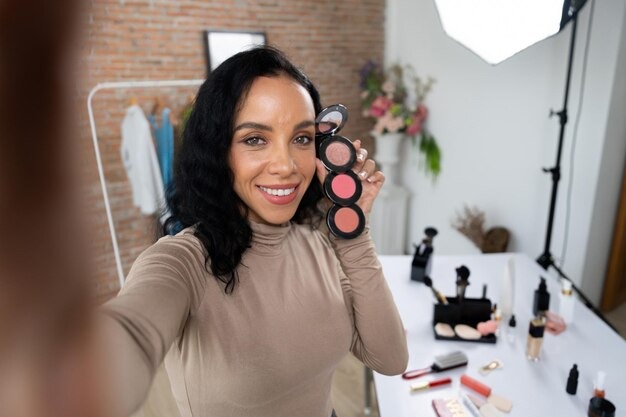

Walk into almost any beauty aisle in the country and you’ll see the same story repeated: rows of products built for a “universal” customer who, somehow, rarely looks like the woman actually buying them. For the millions of Latina shoppers who grew up watching their mothers and abuelas build entire beauty rituals out of products bought at the corner farmacia or passed down through word of mouth, that disconnect isn’t new. What’s new is how loudly the numbers are starting to say it out loud.
U.S. Hispanic buying power has climbed past $2.4 trillion, nearly doubling in the span of a decade. Within that, beauty is one of the categories where Latinas over-index hard — industry research from Circana pegs Hispanic beauty spend in the tens of billions annually, with Latina shoppers spending noticeably more per year on beauty than the average U.S. consumer. Cultural rituals around grooming and self-presentation aren’t a footnote to that spending, they’re the engine of it.
And yet, for most of the last two decades, the brands capturing that spend weren’t the ones built by Latinas themselves.
The gap between spending power and shelf power
This is the part that tends to surprise people outside the industry: economic influence and retail representation don’t move at the same speed. A recent Latino Donor Collaborative report found that Latina-owned brands are growing at more than 6% annually, outpacing many other founder segments. At the same time, Latina founders still secure only a fraction of the funding they request from banks, and studies consistently show that a large majority of Latina consumers, some surveys put it above 80%, believe brands have a real responsibility to represent them authentically instead of treating “Latina” as a single, flattened aesthetic.
That’s the tension sitting underneath every conversation about “the Latina beauty consumer” right now: she’s not an emerging market to be discovered. She’s already here, already spending, and largely still shopping around brands that weren’t built with her in mind.
Retail is starting to notice, slowly
To be fair, the last few years have brought real movement. Sephora’s founder accelerator programs have helped launch Latina-founded names into mainstream visibility. Target and JCPenney have both made public commitments to widen supplier diversity and give Latina-founded brands actual shelf space rather than a seasonal display during Hispanic Heritage Month. Investment groups focused specifically on underrepresented beauty founders have started writing bigger checks earlier in a brand’s life, which matters enormously, because access to capital is usually the difference between a great product staying a passion project and becoming a real company.
But “slowly” is doing a lot of work in that sentence. Big retail moves at the pace of committees and quarterly planning cycles. The brands themselves, and the women trying to find them, don’t have that kind of patience.
Where curation is filling the gap
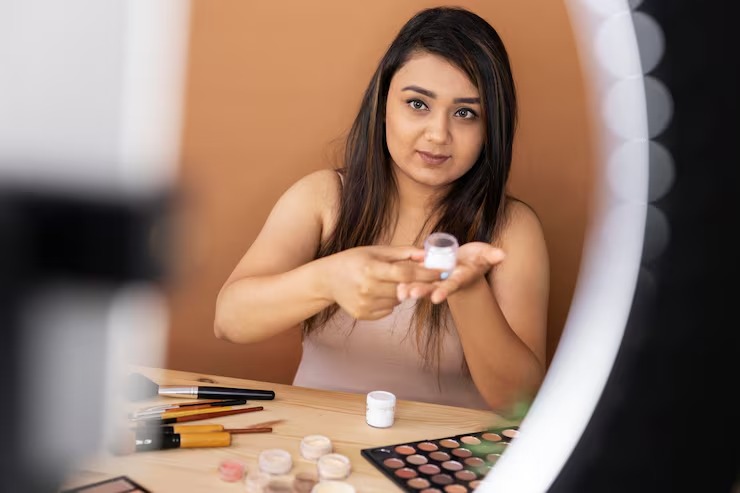
This is where a smaller, more focused wave of platforms has stepped in, essentially doing the discovery work that big retail hasn’t caught up to yet. The Jefas, an e-commerce platform and beauty subscription box built entirely around Latina-founded brands, is one of the clearer examples of this. Its founder, Aurora Diaz, spent years working in beauty e-commerce at the corporate level, including time at Sephora’s headquarters, before realizing that even inside one of the biggest beauty retailers in the world, Latina-founded brands simply weren’t being surfaced the way they deserved to be.
Rather than waiting for the big players to solve that, The Jefas built a dedicated space for it: a curated box and shop where every brand featured is Latina-founded, from indie lash and mascara lines to skincare tools, so shoppers aren’t left doing the research themselves to figure out which “diverse” brand claims are actually founder-backed. It’s a small-scale answer to a very large-scale problem, but it’s the kind of answer that tends to matter most to the actual customer, who doesn’t need a retail accelerator program, she just wants to know where to buy the eyeliner.
Why this moment matters beyond beauty
The interesting thing about the Latina beauty conversation is that it’s really a preview of something bigger. Nearly 80% of Gen Z Latinas say their heritage is central to how they see themselves, which means this isn’t a demographic trend that fades as it ages into the next generation, it’s compounding. Brands and platforms that build authentic representation into their foundation now, rather than retrofitting it later as a marketing campaign, are the ones likely to hold onto that loyalty as spending power keeps climbing.
For an industry that has spent years talking about “the Latina opportunity” like it’s still theoretical, the reality is simpler and a little less flattering: the opportunity already showed up. The only real question left is who actually builds for her, instead of just marketing at her.


FAQs
- Why are Latina-owned beauty brands becoming more popular?
Latina-owned beauty brands are gaining popularity because they offer authentic representation, culturally inspired products, and inclusive solutions that reflect the needs of diverse beauty consumers.
- How are Latina-founded beauty brands changing the beauty industry?
Latina-founded beauty brands are reshaping the industry by introducing products inspired by cultural traditions, expanding shade and texture inclusivity, and creating stronger connections with underserved communities.
- Why is representation important in the beauty industry?
Representation helps consumers see themselves reflected in the brands they support. It also encourages more inclusive product development, authentic marketing, and better solutions for diverse beauty needs.
- Where can I find Latina-owned beauty brands?
Latina-owned beauty brands are available through online stores, curated beauty marketplaces, subscription boxes, and major retailers that support diverse founders and emerging beauty businesses.
- What makes Latina-owned beauty brands different from traditional beauty brands?
Many Latina-owned beauty brands are founded on personal experiences, cultural beauty traditions, and community values. This often results in more inclusive products, authentic storytelling, and stronger customer trust.