
Why Your Feet Deserve a Sandal That Actually Supports Them

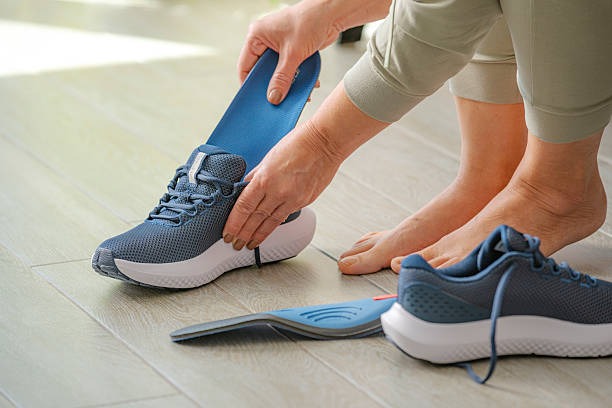

Summer means sandal season — but if you’ve ever finished a long day of walking with aching arches or a throbbing heel, you know that not all sandals are created equal. A truly comfortable walking sandal isn’t just about style. It’s about engineering that protects your feet with every single step.
It Starts with Arch Support
Your arch is the foundation of your entire stride. When a sandal has no arch support, your foot flattens out with each step, straining the plantar fascia — the band of tissue running along the bottom of your foot. Over time, this can lead to soreness, fatigue, and conditions like plantar fasciitis.
A sandal with proper arch support cradles your foot in its natural shape, keeping everything aligned in the way it’s meant to be. The difference shows up almost immediately: less midday foot fatigue, and legs that don’t feel wrecked after a day of errands or sightseeing.
Why Heel-to-Toe Drop Matters More Than You’d Think
Heel-to-toe drop — the height difference between the heel and forefoot — shapes your entire posture. Too steep, a drop pushes weight forward onto the ball of your foot, straining calves and knees. Too flat, and some walkers lose the natural rolling motion of a healthy stride.
The right drop lets your foot move through its natural gait cycle — heel strike, roll-through, push-off — without fighting the shoe. That’s the difference between a sandal that works with your body and one that works against it.
Don’t Forget the Ball of the Foot
The ball of your foot absorbs a huge amount of impact every time you push off into your next step — often more than any other part of your foot. A sandal without adequate cushioning here can leave you with soreness, calluses, or even nerve irritation over time (a condition sometimes called metatarsalgia). Look for a footbed with extra padding under this area, not just at the heel. It’s a small design detail that makes a massive difference on mile three of a walk.

The Role of Real Leather
Material matters just as much as structure. A quality leather upper does more than look good — it flexes and molds to the unique shape of your foot over time, essentially becoming a custom fit. Leather also breathes far better than synthetic materials, reducing moisture, odor, and the friction that leads to blisters. It’s more durable too, meaning a well-made leather sandal will outlast cheaper alternatives by years, not months.
The Real Payoff: Even Pressure Distribution
Here’s where it all comes together. Arch support, the right heel-to-toe drop, and forefoot cushioning work as a team to spread your body weight evenly across your entire foot, instead of concentrating it on your heel or the ball of your foot.

Uneven pressure is what causes hot spots, blisters, and that “my feet are done” feeling after a few hours. Even distribution means your foot absorbs shock the way it’s designed to — no single spot doing all the work.
Brands We Trust for True Walking Comfort
Not every sandal on the shelf delivers these features, which is why we’re selective about what we carry. In store, you’ll find trusted comfort brands like Taos, Revere, Wolky, Josef Seibel, Vital, and Alegria — each known for combining supportive footbeds, quality leather, and thoughtful design built for people who are actually on their feet.
The Takeaway
A comfortable walking sandal isn’t a luxury — it’s a foundation for how your whole body feels at the end of the day. When you’re shopping, look past the color and style for a moment and ask: does this sandal support my arch? Does it move naturally with my stride? Is it built from materials that’ll hold up?
Come by the store and we’ll help you find a pair built to keep you comfortable, step after step.